Sri Lanka’s first heart transplant for a new life

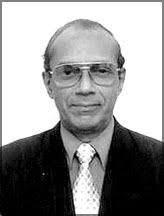
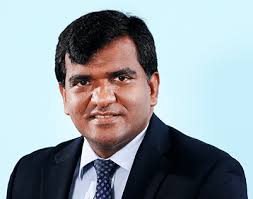
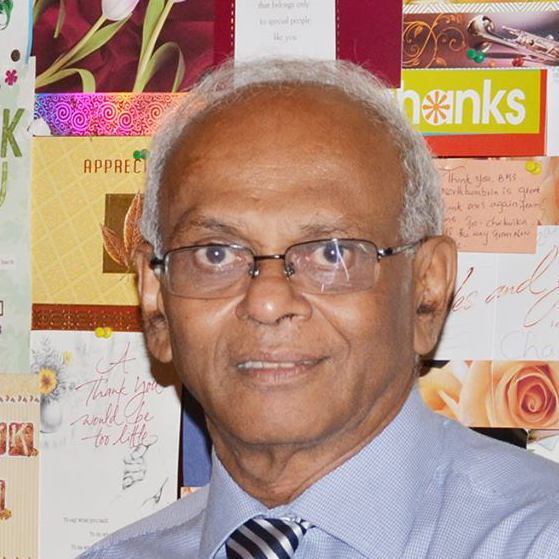
The team which performed  the surgery

The team which performed the surgery

It’s been four weeks since a team of senior doctors from Sri Lanka made medical history, by performing the first ever heart transplant in the country, 50 years after the world’s first cardiac transplant in 1967.

However, if not for the painstaking dedication of one person, this historical event would not have been possible this soon. Dr. Anil Abeywickrama who gave leadership to the entire mission, since the setting up of the Sri Lanka Society for Heart and Lung Transplantation, said they have opened up the path to cardiac transplants in Sri Lanka, giving new hope of life to local patients with end stage heart failure.

The Kandy Teaching Hospital where the first heart transplant took place, is currently gearing up to perform its first lung transplant, hopefully by next year, Dr. Abeywickrama disclosed in an interview with the Sunday Observer last week.

Q: It has been four weeks since Sri Lanka’s first successful heart transplant. Could you update us on the present condition of the patient who was the lucky beneficiary? Has she passed the critical phase now and is she out of danger?

A:The patient is out of danger now, she is ready to be discharged. Her stay in hospital was long because, the muscles in her limbs had to be strengthened through exercises. Her heart condition did not allow her to walk and she was bedridden for weeks prior to her surgery rendering her leg muscles to weaken.

Her heart function was only 10%. She was reaching the end of her life journey. Within the next 12 months she had a 60 % probability of mortality.

Soon after the surgery she recovered very well. She is now walking around, climbing steps and has reverted to a normal diet under close supervision by her care group including the physiotherapist.

There was no rejection in the cardiac biopsy and the heart function is perfect in the Eco Cardiogram.

Q: How promising is the future of heart transplants in Sri Lanka? How soon can we perform the next operation?

A:There are a few patients waiting for transplant in my ward at Kandy Teaching Hospital. We have all the equipment, medication and the trained personnel to perform such surgeries now but these types of complicated surgeries cannot be made on a schedule, everything depends on the organ donor.

And also it is necessary to maintain a proper registry of patients in waiting because when a potential donor, (a brain dead person) is available we can start matching the organ and the patient.

Q: It is indeed a landmark in the country’s medical history, why did it take so longas 50 years to perform a heart transplant in Sri Lanka?

A:The world’s first heart transplant was in 1967. When you compare a heart transplant with other types of similar surgeries, this involves a lot of ethical, moral and legal issues.

It is not like a normal cardiac surgery. A very complex mechanism is involved here since the donor is always a deceased person. The other issue is that Sri Lanka did not have trained clinical staff.

I have had prior experience in the mechanism of human heart and lung transplant. The entire team of doctors who took part in this landmark mission was selected by me. The doctors at the Freeman Hospital with whom I worked with before said that I had to understand everything, not just the surgical part of the operation.

Q: Can you explain how the groundwork for the first transplant was laid?

A: There are only five centres doing cardiac transplants in the UK. I had the rare opportunity to get my training at the Freeman Hospital, a leading centre in Cardiopulmonary transplant. Later I was involved as a member in a transplant team there in 2013. The International Society for Heart and Lung Transplantation sets down the guidelines and the protocol for such surgeries in the world.

Three former presidents of the International Society for Heart and Lung Transplant including Prof. Stephen Schueler, Prof. Paul Corris and Prof. John Dark and the current president Prof. Andrew Fisher are involved in the Sri Lankan program.

During my training and work at the Freeman Hospital, UK I discussed at length on how to set up a heart and lung centre in another country with Prof. Stephen Clark, Consultant Cardiothoracic Surgeon and the Director of Cardiopulmonary Transplant at the Freeman Hospital.

I am certain that without this international collaboration the entire transplant operation would not have been a success.

The former Health Services Director General Dr.Palitha Mahipala and the Attorney General Yuwanjana Wanasundera and the present AG Jayantha Jayasuriya helped bring in amendments to the Tissue Act to facilitate heart and lung transplant here. Prof. Clark held discussions with them during his visit to Colombo in 2015.

In 2015 Sri Lanka Society for Heart and Lung Transplantation was set up under the aegis of the College of Surgeons of Sri Lanka in preparation for the event.

Prof. Clark visited the country to patronize the historic event and acted as the President of the Sri Lankan Society.

Q: Could you tell us a bit more about the team who was involved in this mission, how the team of doctors for the surgery was hand-picked? Why did you choose the Kandy General hospital?

A:Dr.Kanchana Singappuli, a Pediatric Cardiac Surgeon at Lady Ridgeway Hospital, Dr. Waruna Karunaratne, Cardic Thoracic Surgeon of the Welisara Chest Hospital were involved in the entire transplant program from the beginning.

Following discussions with the Kandy Teaching Hospital Director and the Health Services DG, I was able to obtain permission to form a transplant unit at the Kandy Hospital, thus allowing clinicians from other hospitals to take part.

Dr. Sunethra Irugalbandara, Pediatric Cardiologist of Sirimavo Bandaranaike Hospital, Peradeniya, Paediatric Cardiologist, Dr. Dimuthu Weerasuriya of Kurunegala General Hospital and two Cardiologists from Anuradhapura Hospital, Roshan Paranamana and Wasantha Kapuwatte were handpicked for the task.

The reason why I chose the Kandy hospital to perform the surgery is that it had an excellent anesthetist team headed by Consultant Anesthetist Jagathi Perera with Aruni Jayasekera and Priyantha Dissanayake. Director, Kandy Hospital, Saman Ratnayake facilitated the entire operation.

There was another reason why I selected that hospital, is because of the faith I had in Consultant Neurosurgeon Dr. Leslie Siriwardena, Consultant Neuro Anesthetists Dr. Ravi Weerakoon and Dr.Udaya Karunaratne.

Q: Who funded the surgery and how much did it cost?

A:If we were to get the funding from the central government, it would have involved a complex process.

Therefore we got down instruments from other hospitals, I would say it was mainly funded by the Kandy Teaching Hospital Director Dr. Saman Ratnayake.

I went to India to get down some of the medication needed, because if we had to go through the normal procedure it would have taken a long time.

Q: What was the process to harvest the heart from the donor – the accident victim?

A:In a bypass surgery, since small vessels are involved, it becomes a very delicate operation. But here only the large arteries will be removed along with the heart. Dr. K. Gnanakanthan, Dr. Muditha Lansakkara and I were involved in that. I harvested the donor heart, and they were involved in extracting the recipient’s heart.

Kidney and Liver Transplant surgeon at Kandy hospital Dr.P.K.Harischandra harvested the kidneys from the diseased donor. Even a moment’s delay counted because harvesting of an organ for a transplant of this nature is a very complex procedure. We had to complete the transplant within three hours. Otherwise the proper function of the heart will not be there.

The recipient’s and donor’s operations were performed in Kandy Hospital, in two adjoining operating theatres.

At first I had my doubts in harvesting the particular heart. Usually a heart is extracted for donation from a patient who is declared brain dead in not more than three days.

This particular donor had been brain dead for 11 days. The heart had also suffered cardiac arrest once. But we finally went ahead with the operation and it was a big success. We are thrilled to see the results.

Q: The news of state hospitals having the capacity to undertake such complicated surgeries is indeed a good news for local heart patients whose only hope is a transplant. Does this mean the Sri Lankan private hospitals will also perform transplants in the near future?

A:The subject of heart transplants is a very sensitive issue. Considering that organ trafficking is a serious threat in this part of the world, I would not recommend it…this subject involves moral issues as well.

My personal opinion is that this should be highly regulated through state supervision and should not allowed to be commercialised. Even in the UK there are only five Cardiopulmonary Centres. I believe Sri Lanka should have only one national centre.

Q: Can Sri Lanka start its own lung transplants in the near future, if yes, how soon?

A:In cardiopulmonary centres in the world, they do both heart and lung transplant. So I am trained in lung transplant as well. We have equipped the Kandy centre for heart and lung transplants together and hopefully by next year we might commence lung transplants.

With the collaboration of the UK centre we have performed a heart surgery to the international standards. At present this is the only Cardiac transplant centre in Sri Lanka.

The surgeries performed here are free of charge. I would like to ask the patients who are in end stage heart or lung failure to get registered here. If we have a group of recipients it is easy to match a donor.

Likewise, we would want the anesthetists in Intensive Care Units to diagnose irreversible brain damaged patients early and get in touch with this centre so as to help more patients to live. 
Colombo, Ragama teams ready for liver transplants – Prof Rohan Siriwardena

It is the team at the North Colombo Hospital at Ragama which pioneered living donor liver transplants in Sri Lanka. There are two teams in both the Ragama and the Colombo National Hospitals which perform liver transplants.
By Ravi Ladduwahetty 

There are two methods of doing liver transplants which means that one living donor could donate a liver to another.  The second mode is the cadaveric liver transplant where the liver of a brain-dead person, enables his/ her liver to be transplanted in another. There are  instances where there are persons who die in accidents who suffer from cerebral haemorrhage (internal bleeding of the brain)  but  their livers  and other organs, before they are dead, could be  transplanted  into another where the lives of those people are maintained on a life supporting machine. It is at these times that the liver and the other organs of those brain-dead people are taken out and transplanted.  

The Ragama Hospital team has successfully done four cadaveric liver transplants and a further four live donor transplants and it is the only institution in Sri Lanka which does both transplants, Dr Siriwardana told The Island.

“What is indeed professionally satisfying is that Sri Lanka has now the ability to perform this surgery in contrast to the earlier scenario where patients had to travel to Singapore for the same- spending the equivalent of Rs. 25 million and Rs. 10-12 million in India. The patients who could not afford this had no other alternative. The Sri Lankan private hospitals do it for around Rs. 5 – 5.5 million, but the state sector is totally free”, he said.    

Alcohol, not the only cause!

Contrary to rife speculation that alcohol was the primary cause for cirrhosis and therefore, liver ailments leading to transplants, it is not. In most cases, the presence of  fat  in the liver (fatty liver) is the primary cause for liver transplants  and a  small percentage, of them could  develop into cirrhosis after some time.  Over 50% of the cases that they had operated on had been cirrhosis induced by fatty liver. So, alcohol was not the commonest reason, contrary to popular belief, he said.    

Transplants are done to combat liver cancers as well where the entire liver is surgically removed and a new one implanted, which is the most effective way of combating  liver cancer, though it is the costly way out. 

The live donor transplant has been found to be very technically demanding as one has to take a part of a normally 100% healthy person’s liver and it is seen to be complicated for the  donor as well, as a substantial part of his liver is taken out. There is also an inherent 0.2% to 0.5%risk of the donor dying as well. 

 One of the principle constraints to liver transplanting is that there is a thorough shortage of donors. So, surgery has to be done fast as most of the recipients run the risk of living only up to six months. Live donor transplants are much in demand as the risk element to the life of the recipient is mitigated. Both surgeries are very complex and 30% of the recipients could have complications, which revolved round the long durations of surgeries during which infections could also set in during the post surgery period. Other main types of complications are related to bile ducts. 

“Medicines are given to suppress rejection as it is a totally new and foreign organ which is transplanted and that is the time that infections could set in as the immuno-suppression is low. There are times that the liver transplants are rejected but, unlike kidney transplants, liver transplants could be treated easily. If the surgery is successful, the recipient could have a long- term survival. One of the priorities is that the patient’s heart and lung conditions are tested as to whether he or she could go through the rigours of surgery,” he said.     

Responding to a question as to how complicated the post surgery period would be, he said: “In all cases, if all goes well, the patient could be discharged in two weeks. However, there are complications due to the time duration of the operation which is over 15 hours and the complexity of the procedures. The first six months is very crucial and the patients have to be conscious about their dietary habits and not allowing germs to get into the system. The immuno-suppression is brought down after six months of the surgery. 

Apart from liver transplants, Dr Siriwardana said liver resection was another area that has advanced recently in Sri Lanka.  One of the primary options that are offered to the patient with liver cancer was the liver resection.  There could be a primary cancer where it starts in the liver and secondary when it starts in the colon or other organ which could later spread into the liver.  Then, a part of the liver was surgically removed  and  the liver had a very good capacity  to regenerate as  it was one organ in the body  which could rebuilt itself from a 20% capacity, provided it was healthy. That was what’s known as a liver resection.  

Successful liver surgery 

 The liver surgery processes have also been very successfully done at the Ragama Hospital as well as the Colombo South Teaching Hospital at Kalubowila.  The liver is divided into eight parts according to the supply of blood vessels.  Surgeons call them eight segments and they are identified with the aid of an operative ultra sound scan.

“It is not that the liver is compartmentalized afterwards but identified by scans. Blood vessels and the tumour sites are marked, using a new instrument called “CUSA” which is akin to a refrigerator which is used to divide the liver parenchyma probe.    Then the parenchyma is dissected and the blood vesicles are preserved along with the separate structure of the liver.  The availability of the instruments enables the surgery to be done with ease.” he said. 

 Some of the drawbacks are that there are no donors for over 50 patients in the waiting list for surgery and the affordability. Efforts are underway to bring the live donor  transplant  as well  to Ragama to enable the patients to undergo surgery, though there are some initial expenses to the tune of Rs. 500,000 for which we are looking for sponsorships, Dr Siriwardana said.  

A liver transplant requires a team of around 40 persons per patient including the operating theatre staff and the minor staff, taking 12- 15 hours. It is not surgery that could be done everywhere but only with the right infrastructure, the right team and the determination to proceed against all odds.

Diabetes, pre-diabetes and sugar intake

By Dr Wijaya Godakumbura
Consultant Surgeon

Diabetes can affect almost any organ in the body. It is known to cause impaired vision and heart attacks, besides being responsible for a large number of amputations,. That is why it is considered to be a serious illness. About 350 million people worldwide have diabetes and one-fifth of them live in South-East Asia Region. There had been 1.5 million deaths in the globe in 2012 directly due to diabetes. It is predicted to become the 7th leading cause of death in the world by the year 2030.

In a study done by Dr. Prasad Katulanda, consultant diabetologist and his team, it had been found that urban populations have a higher incidence (16.4%), over rural populations (8.7%). So, as expected, the Western Province has the highest incidence while the Uva Province, the lowest . Before a person develops diabetes, he usually has a condition called pre-diabetes, in which blood glucose levels are raised but not yet high enough to be labled as diabetes. Some long-term damage to certain organs may already be occurring during pre-diabetes. But by early diagnosis and effective treatment of pre-diabetes, doctors can help patients to be free of diabetes. Therefore, regular estimation of blood sugar is important,

The Diabetes Association of Sri Lanka (DASL) statistics reveal that there are nearly four million diabetics in Sri Lanka and that one-third of those with diabetes are undiagnosed,. The prevalence of diabetes in the country had increased from around 16 % in 2009 to 20 % in 2014. According to them, though the number of people affected by diabetics was ever-increasing, the country had not yet taken serious steps to reduce the risk of diabetes. . The purpose of this letter is to show how certain parties, knowingly or unknowingly aggravate the situation in relation to ‘food habits’, and how the government can intervene. Overweight and lack of exercise are the main causes of diabetes among children, while family history, food habits and obesity are the main causes among adults

Sri Lankans are used to a lot of sugar from early childhood. Actually, one can take tea even without any sugar at all. It is a mattere of getting used to it, but half a teaspoon of sugar in a cup does no harm to a person who has blood sugar. I hope the readers would start using less sugar from now. It will help the body as well as the purse! Incidentally raising the price of sugar would be a step in the right direction. If this is done, people do not have to spend more to buy sugar because they would be buying less sugar as they would be adding less sugar to their tea etc..

Let us now see what the sugar content in the foods we buy. You would agree that almost all of them are too sweet. I can not understand why the manufacturers add so much sugar.The food items I refer to are as follows. Iced coffee and fruit drinks we get at functions, drinking yoghurt and fruit drinks in packrets and bottles, tea and Nescafe marketed in wending machines, different varieties of cakes and sweetmeats, puddings, ice cream, chocolates and ‘watalappan’ all have too much sugar. ‘Kimbula’ buns have a layer of sugar on top as well. When I eat cake, I remove the icing sugar from it. In my opinion, the person who invented and introduced icing sugar to cake makers has done the society a disfavour.

All would agree that the above foods need not have all that sugar. The sales would not come down if less sugar is added. Set yoghurt and natural fruit juices have low sugar content, but the sales are quite good. By adding less sugar to the list of foods mentioned in the earlier paragraph, the manufacturers could make a big saving, besides helping the people. That would also lower the import of sugar, saving foreign exchange. The readers would no doubt agree that reducing the sugar content in food by those who manufacture them has everything to gain. Every body would be a winner.

I feel the Health Ministry should analyse the different food items in the market and lay down a ceiling for the sugar content for them. The DASL and the Sri Lanka Medical Association can get involved in this exercise. The DASL is a non profit organization with its headquarters at National Diabetes Centre (NDC) 50, Sarana Mawatha Rajagiriya. It is the only organization in Sri Lanka committed to serve the diabetic fraternity of the country through primary and secondary prevention, education, awareness and advocacy.

The Diabatic Care In Srilanka By Dr Prasad Katulanda

Development of a Community Based Web-Mobile Platform (CBWMP) for diabetes care in Sri Lanka

Abstract
Diabetes is a chronic disease with no permanent cure. Sri Lanka is placed among the countries with the highest diabetes prevalence rates in the world (ie. 2.8 million Sri Lankans have diabetes or pre-diabetes, and most importantly, a significant proportions of the population is yet to be diagnosed). Patients with diabetes need lifelong care to prevent complications which further impose a significant burden on the country‟s expenditure on healthcare. Moreover, patients need to maintain constant contact with the healthcare provider for the optimal management of diabetes. However, such arrangement is often costly and time consuming and therefore it ultimately aggravates the burden to patients, the healthcare system and the economy.
With the development of telecommunication technologies, Telemedicine (i.e. the use of Information Communication Technology to provide healthcare at a distance) has gained attention. Telemedicine can enhance communication between patient and healthcare provider without needing physical presence in one place. Telemedicine can link healthcare professionals from different corners of the globe to share knowledge and expertise. Moreover, evidence is surfacing to suggest that the telemedicine would be a viable alternative to conventional care.
This article showcases a Sri Lankan study which describes the development of a Telemedicine system for Sri Lanka – Community Based Web-Mobile Platform (CBWMP). The concept of the platform is to maintain an electronic

Personal Health Record (e-PHR) in order to provide communication between different parties to optimise patient health information flow and also to coordinate the continuity of care at minimal cost. The CBWMP – integrated mobile phones and e-PHR – is capable of delivering diabetes education, co-ordinating effective management, and screening diabetes status. To avoid any cultural marginalisation, all the services can be accessed in the user‟s preferred native language in Sri Lanka viz. Sinhala, Tamil, and English.
Keywords – e-PHR; telemedicine; mobile health; diabetes


Introduction
Diabetes is not a new disease. It has affected people around the globe for centuries. However, recent studies have shown that, mainly due to socio economic changes, the disease has now re-emerged with a vengeance(1,2). The worldwide pandemic of diabetes accounts for 346 million cases and nearly 80% of those diagnosed live in developing countries(2,3).
Sri Lanka is placed among the countries with the highest diabetes prevalence rates in the world. As rapid industrialisation and modernisation changes the lifestyles of its population, Sri Lanka faces an increased incidence of diabetes. This is a cause for concern in view of the fact that South Asians are more vulnerable to type 2 diabetes(4). According to the Sri Lanka Diabetes and Cardiovascular Study (SLDCS) conducted by the Diabetes Research Unit of the University of Colombo and the Oxford Centre for Diabetes Endocrinology and Metabolism UK, 20% of Sri Lankan adults have either diabetes or pre-diabetes while 33% of patients with diabetes are undiagnosed(2). It further estimated that 2.8 million Sri Lankans have diabetes and a significant proportion of them are yet to be diagnosed(2).
Chowdhury and colleagues predicted that the Sri Lankan population is aging rapidly, and in the future the rate of aging will surpass almost all other developing countries(3). This report also postulated that the above 65 year old population is expected to double by 2035(3). It is obvious that the impact of diabetes on this segment of the population would be a significant burden for Sri Lanka. Owing to the chronic nature of the disease and complications that are associated with diabetes, patients carry an increased risk of morbidity, mortality and a decreased productive existence. At the same time, increased health expenditure together with loss of productive population would certainly hamper the development of the country. This impending crisis calls for innovative strategies.
Looking beyond the conventional wisdom and re-application of age-old preventive tools, evidence suggests that Telemedicine is a viable alternative to conventional care(5,6) which could guide Sri Lanka to meet this challenge. Telemedicine can be defined as the delivery of healthcare using ICT at a distance. Uses of telemedicine can vary; from a videoconference between a patient and a doctor, to a text massage between a junior doctor and a senior, electronic medication reminders, to storage and forwarding of digital photography for diagnosis, to tele-monitoring and sending feedback to patients by the attending physician. Telephone and wireless technology can be used to effectively transfer data from medical devices to a healthcare provider (eg. sending blood glucose value to medical personnel for opinion or remote monitoring of surgically implanted devices such as pacemakers and cardiac defibrillators for clinical or device assessment). Tele-health can empower patients to manage their own health by providing customised information directly from their healthcare provider.

Click here to Read more…

About 25,000 young Sri Lankans have heart diseases

By Don Asoka Wijewardena

Sri Lanka Heart Association (SLHA) Council member Dr. Vajira Senaratne yesterday revealed that around 25,000 individuals between the ages of 20 and 40 had been admitted to hospitals with heart diseases each year in Sri Lanka.

It showed that even young people had been seeking medical treatment from hospitals with complaints of heart diseases. Unhealthy diets, lack of exercise, smoking and consumption of liquor caused heart diseases, he said. A person must always watch his or her blood pressure and ensure that it remained within the recommended range, he told the media at hotel Cinnamon Grand yesterday (11).

Consultant Cardiologist Dr. (Mrs) K. Amarasena said whenever a person developed a chest pain lasting more than three hours; he/she should seek timely medical attention.

General and Intervention Cardiologist Dr. Gotabhaya Ranasinghe said that the number of people dying of heart attacks in Sri Lanka had increased in recent times. The consumption of fast food items such as hamburgers, french fries, oily foods, cheese and butter based food and smoking and alcohol consumption caused hypertension which is the main factor in heart complications, he added.

Dr. Ranasinghe noted that the Sri Lanka Heart Association would submit a proposal to Health Minister Maithripala Sirisena seeking the establishment of an effective insurance scheme for the benefit of heart patients. Because many families were unable to make both ends meet as the breadwinner was affected with a heart ailment. Many food items which contained saturated fat and high percentages of cholesterol should be avoided. People should eat more fruits whole grain cereals and vegetables, he said.

Lorem Ipsum is simply

Lorem Ipsum is simply dummy text of the printing and typesetting industry. Lorem Ipsum has been the industry’s standard dummy text ever since the 1500s, when an unknown printer took a galley of type and scrambled it to make a type specimen book. It has survived not only five centuries, but also the leap into electronic typesetting, remaining essentially unchanged. It was popularised in the 1960s with the release of Letraset sheets containing Lorem Ipsum passages, and more recently with desktop publishing software like Aldus PageMaker including versions of Lorem Ipsum.

Lorem Ipsum is simply

Lorem Ipsum is simply dummy text of the printing and typesetting industry. Lorem Ipsum has been the industry’s standard dummy text ever since the 1500s, when an unknown printer took a galley of type and scrambled it to make a type specimen book. It has survived not only five centuries, but also the leap into electronic typesetting, remaining essentially unchanged. It was popularised in the 1960s with the release of Letraset sheets containing Lorem Ipsum passages, and more recently with desktop publishing software like Aldus PageMaker including versions of Lorem Ipsum.

Lorem Ipsum is simply dummy text of the printing and typesetting industry. Lorem Ipsum has been the industry’s standard dummy text ever since the 1500s, when an unknown printer took a galley of type and scrambled it to make a type specimen book. It has survived not only five centuries, but also the leap into electronic typesetting, remaining essentially unchanged. It was popularised in the 1960s with the release of Letraset sheets containing Lorem Ipsum passages, and more recently with desktop publishing software like Aldus PageMaker including versions of Lorem Ipsum.

Lorem Ipsum is simply dummy text of the printing and typesetting industry. Lorem Ipsum has been the industry’s standard dummy text ever since the 1500s, when an unknown printer took a galley of type and scrambled it to make a type specimen book. It has survived not only five centuries, but also the leap into electronic typesetting, remaining essentially unchanged. It was popularised in the 1960s with the release of Letraset sheets containing Lorem Ipsum passages, and more recently with desktop publishing software like Aldus PageMaker including versions of Lorem Ipsum.

Lorem Ipsum is simply

Lorem Ipsum is simply dummy text of the printing and typesetting industry. Lorem Ipsum has been the industry’s standard dummy text ever since the 1500s, when an unknown printer took a galley of type and scrambled it to make a type specimen book. It has survived not only five centuries, but also the leap into electronic typesetting, remaining essentially unchanged. It was popularised in the 1960s with the release of Letraset sheets containing Lorem Ipsum passages, and more recently with desktop publishing software like Aldus PageMaker including versions of Lorem Ipsum.

Lorem Ipsum is simply dummy text of the printing and typesetting industry. Lorem Ipsum has been the industry’s standard dummy text ever since the 1500s, when an unknown printer took a galley of type and scrambled it to make a type specimen book. It has survived not only five centuries, but also the leap into electronic typesetting, remaining essentially unchanged. It was popularised in the 1960s with the release of Letraset sheets containing Lorem Ipsum passages, and more recently with desktop publishing software like Aldus PageMaker including versions of Lorem Ipsum.

Lorem Ipsum is simply dummy text of the printing and typesetting industry. Lorem Ipsum has been the industry’s standard dummy text ever since the 1500s, when an unknown printer took a galley of type and scrambled it to make a type specimen book. It has survived not only five centuries, but also the leap into electronic typesetting, remaining essentially unchanged. It was popularised in the 1960s with the release of Letraset sheets containing Lorem Ipsum passages, and more recently with desktop publishing software like Aldus PageMaker including versions of Lorem Ipsum.

Lorem Ipsum is simply

Lorem Ipsum is simply dummy text of the printing and typesetting industry. Lorem Ipsum has been the industry’s standard dummy text ever since the 1500s, when an unknown printer took a galley of type and scrambled it to make a type specimen book. It has survived not only five centuries, but also the leap into electronic typesetting, remaining essentially unchanged. It was popularised in the 1960s with the release of Letraset sheets containing Lorem Ipsum passages, and more recently with desktop publishing software like Aldus PageMaker including versions of Lorem Ipsum.

Aliquam sodales viverra nisi

Aliquam sodales viverra nisi a sollicitudin. Aliquam sed porta. Aliquam sodales viverra nisi a sollicitudin. Aliquam sed porta. Aliquam sodales viverra nisi a sollicitudin. Aliquam sed porta. Aliquam sodales viverra nisi a sollicitudin. Aliquam sed porta. Aliquam sodales viverra nisi a sollicitudin. Aliquam sed porta. Aliquam sodales viverra nisi a sollicitudin. Aliquam sed porta. Aliquam sodales viverra nisi a sollicitudin. Aliquam sed porta. Aliquam sodales viverra nisi a sollicitudin. Aliquam sed porta. Aliquam sodales viverra nisi a sollicitudin. Aliquam sed porta.